photo: Tomas Mutsaers
Academies have the potential to act as instigators of reflection—not only on the subject matter of study, but also, as adrienne maree brown suggests, as fractal spaces where the intimate and the worldly, the personal and the institutional meet. In these sites, we can rehearse ways of relating, acting, sensing, and knowing, allowing for constant formation. Learning, in this view, is not linear or individualistic, but entangled, unpredictable, and relational.
Drawing on Martin Buber’s I–Thou philosophy and post-humanist perspectives, I understand knowledge as emerging through encounters and dialogues. This approach foregrounds bodily, affective, and more-than-rational forms of understanding—both of the subject matter at hand and of ourselves. Learning, then, is shaped as much by how we gather as by what we study.
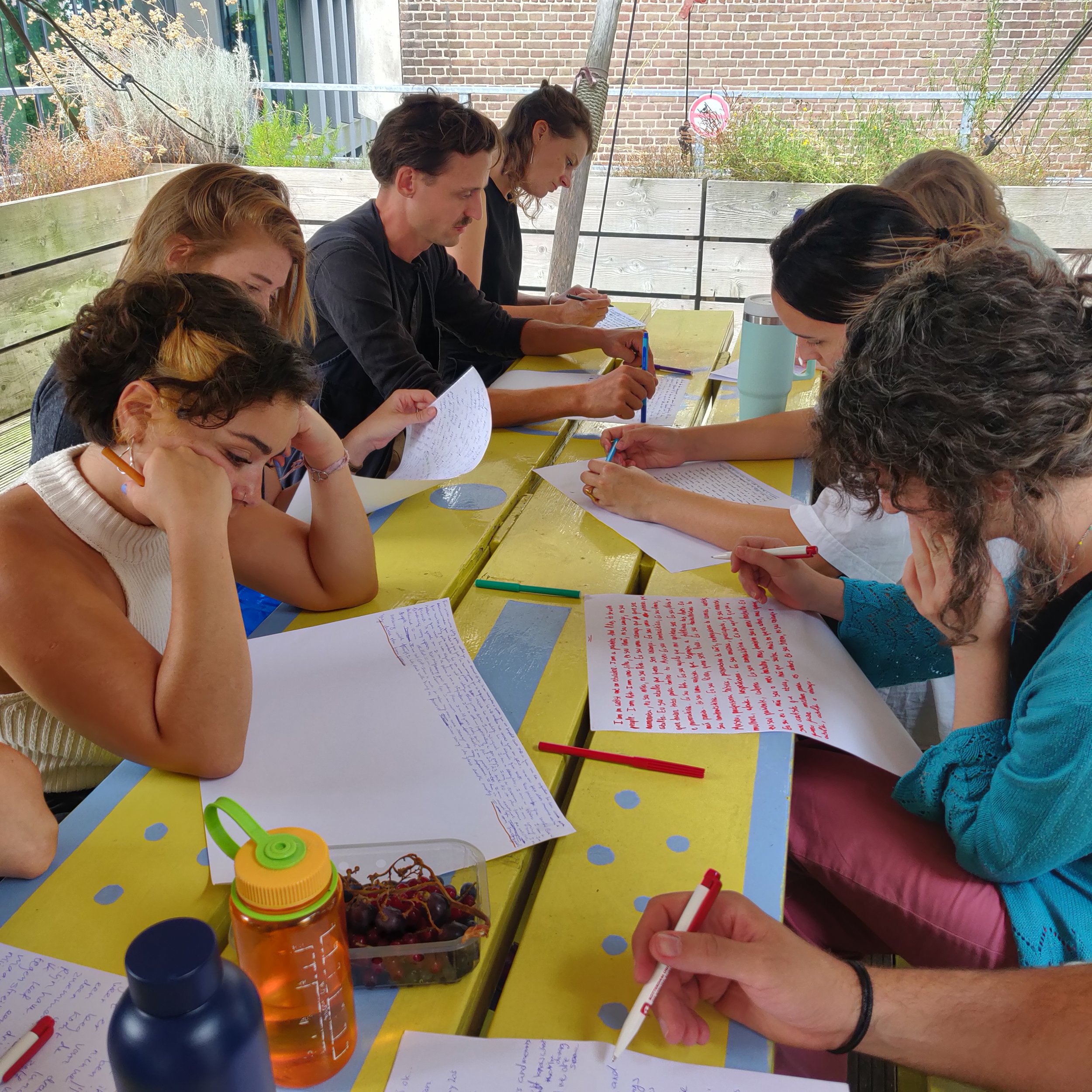
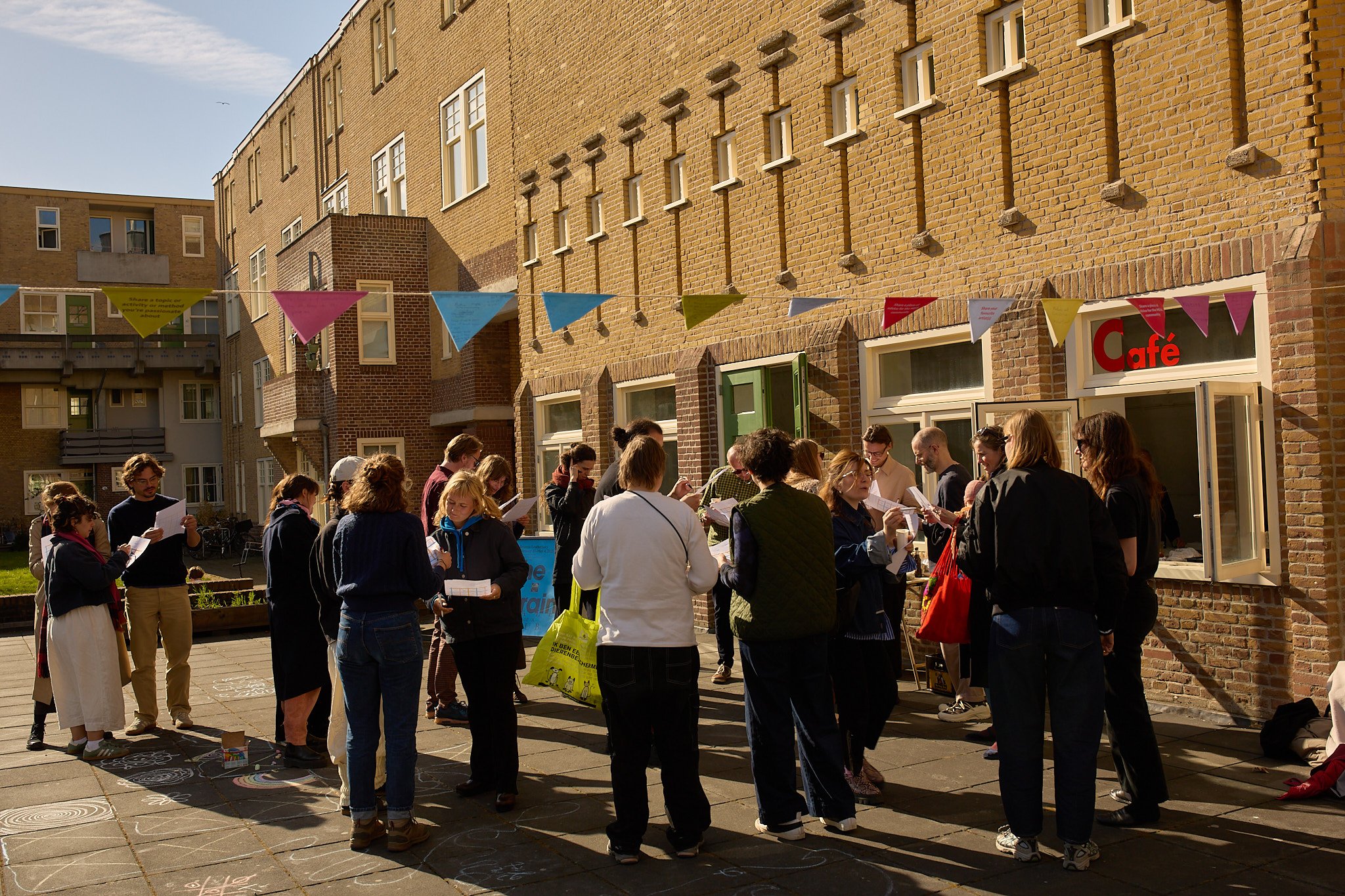
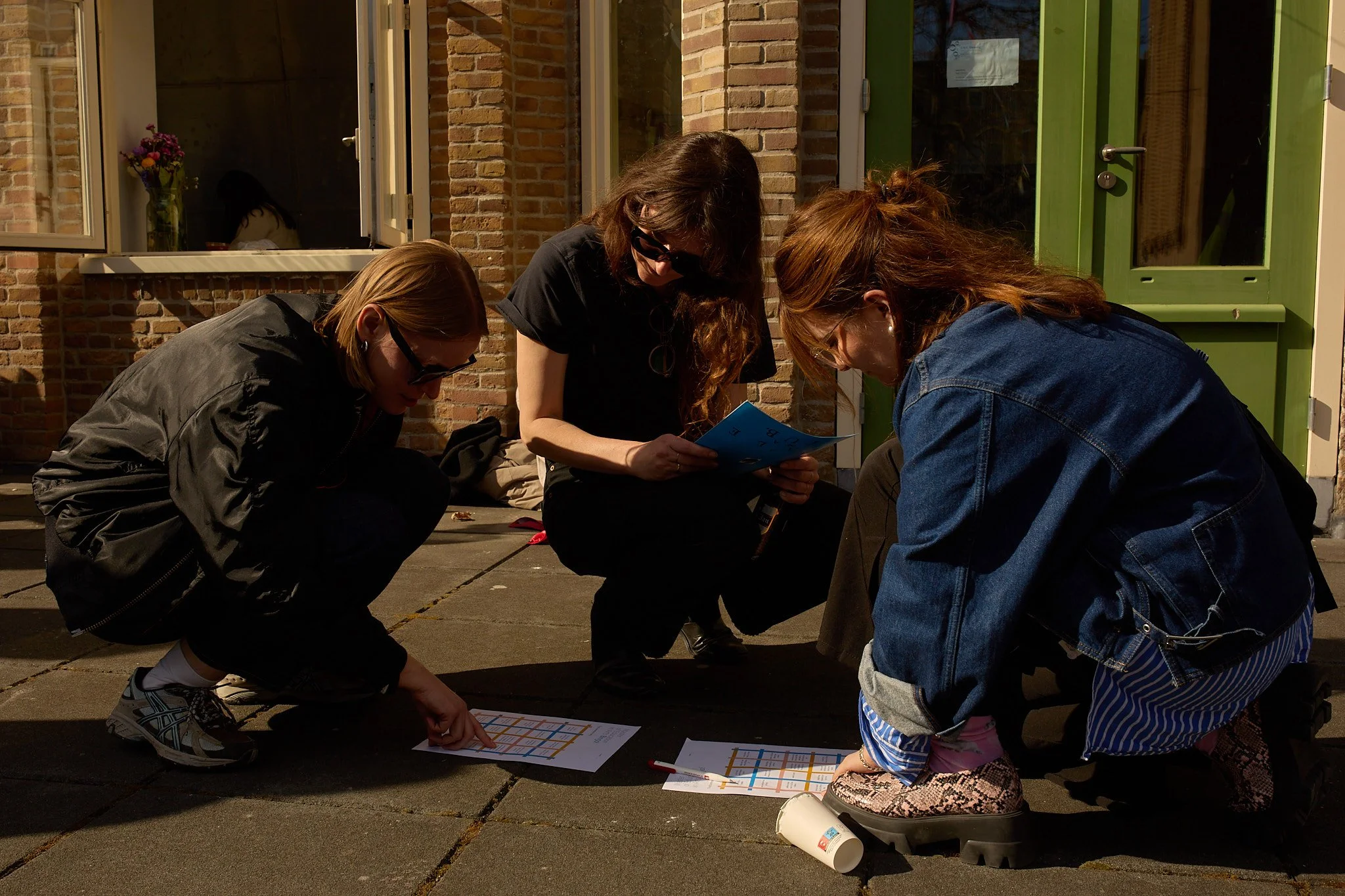
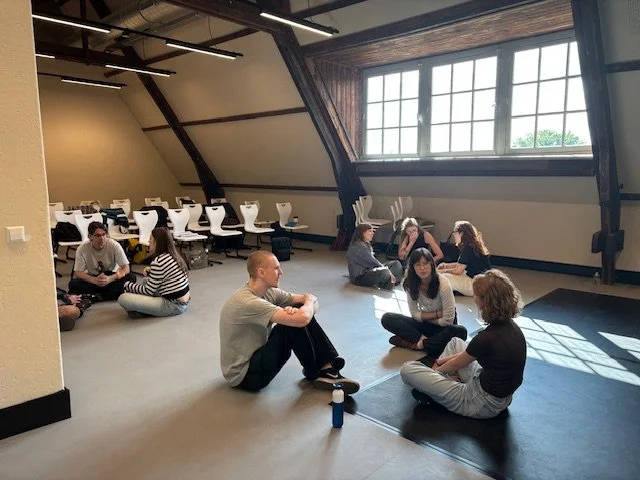
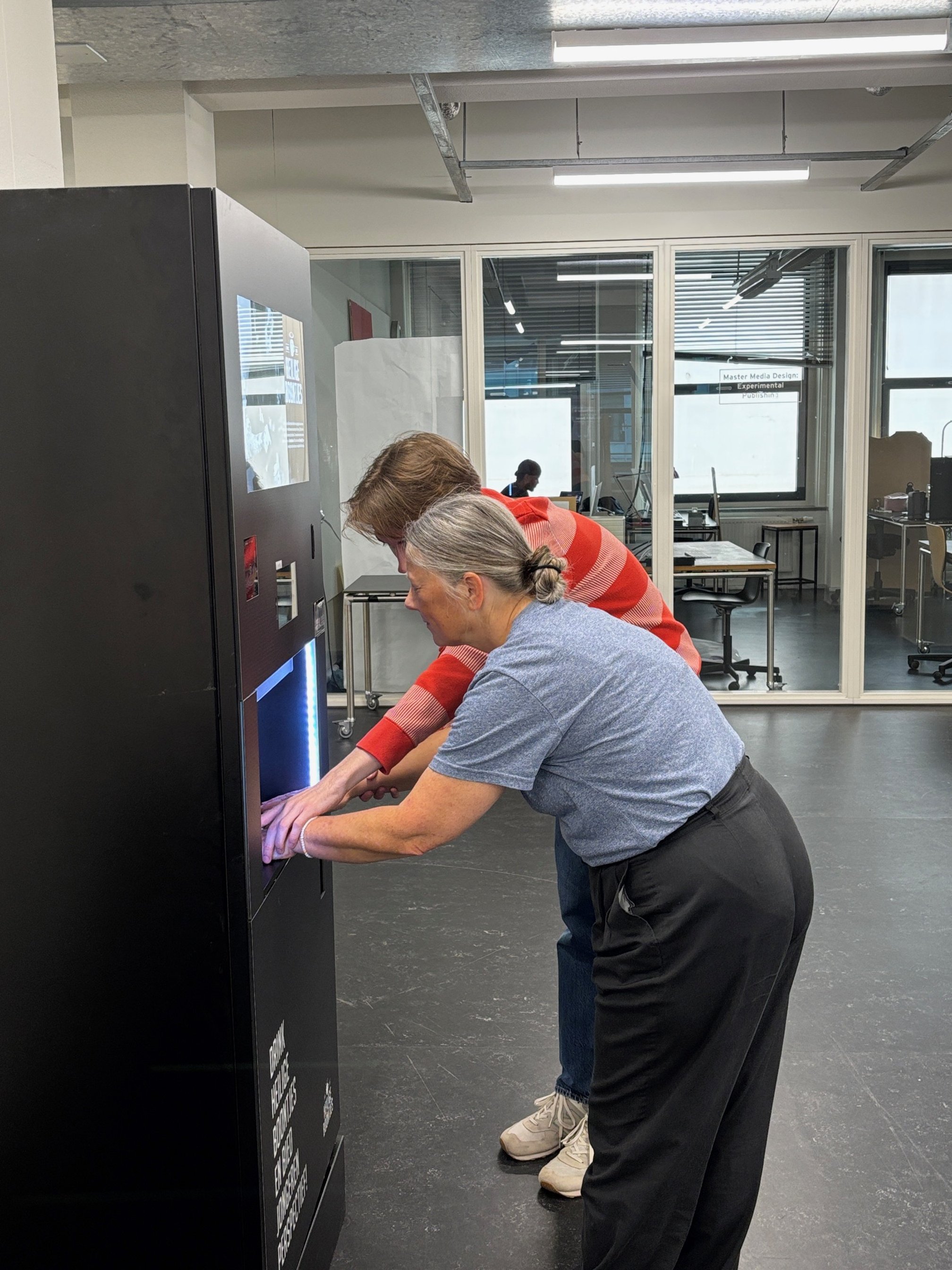
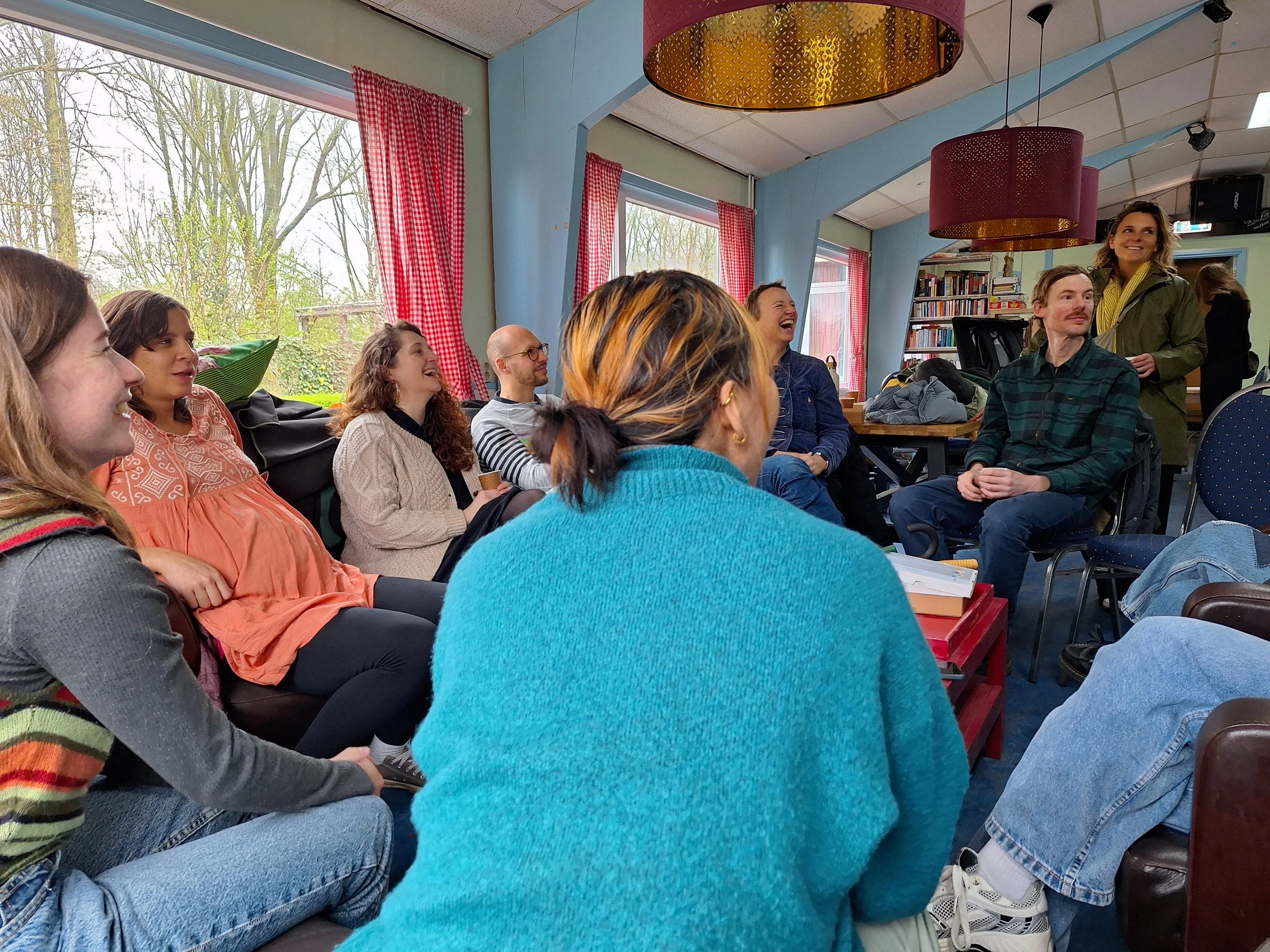
Inspired by critical pedagogy and collective learning within the Master Education in Arts (MEiA) programme at Piet Zwart Institute, Rotterdam, and informed by my experience as an alumna, I initiated the idea of an annual alumni gathering together with the course director. The aim was to extend connection beyond the duration of the studies. I coordinated the 2024 and 2025 editions alongside fellow alumni, resulting in peer-to-peer activations shaped by and for the community, and aligned with the programme’s profile.
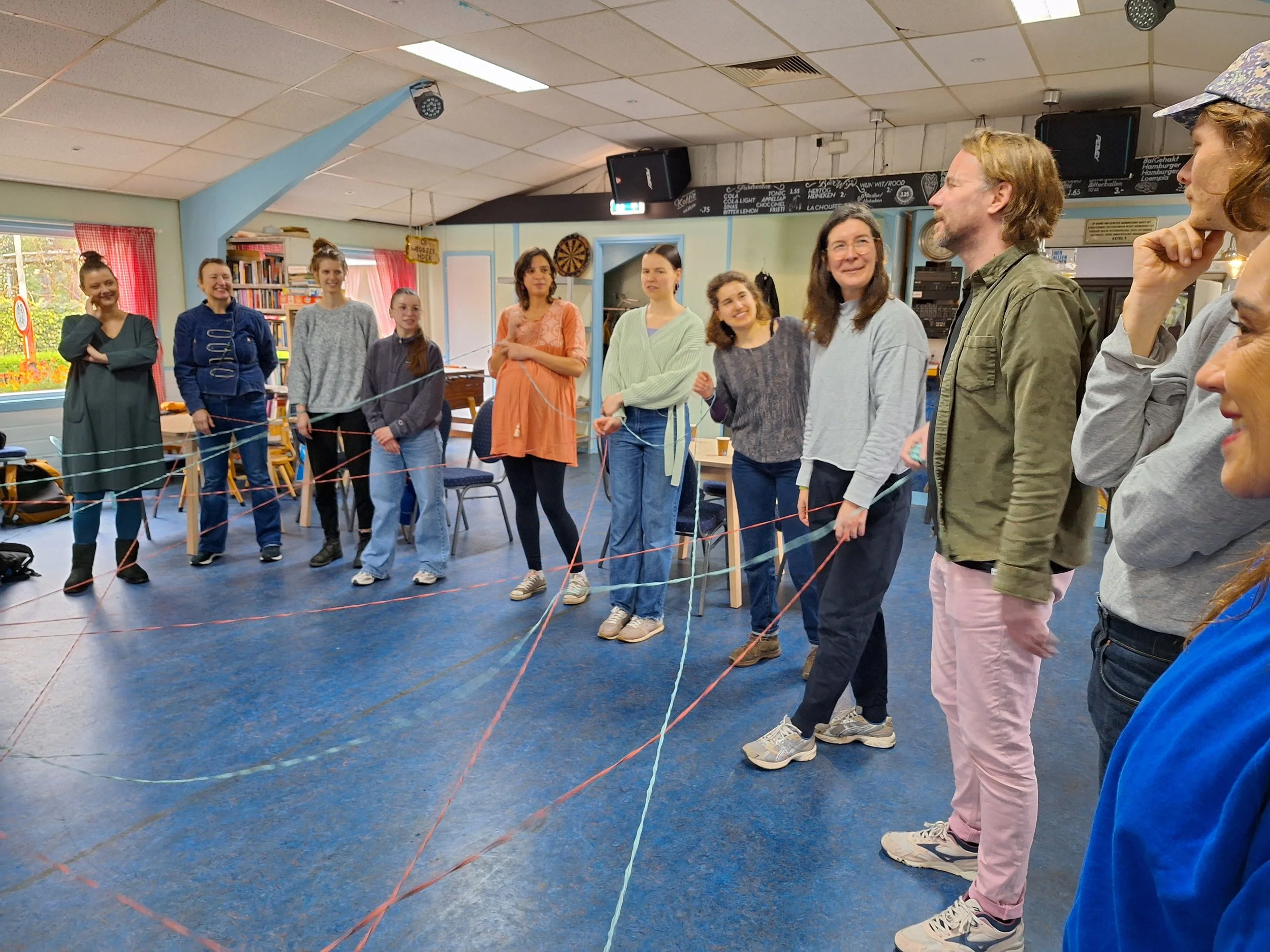
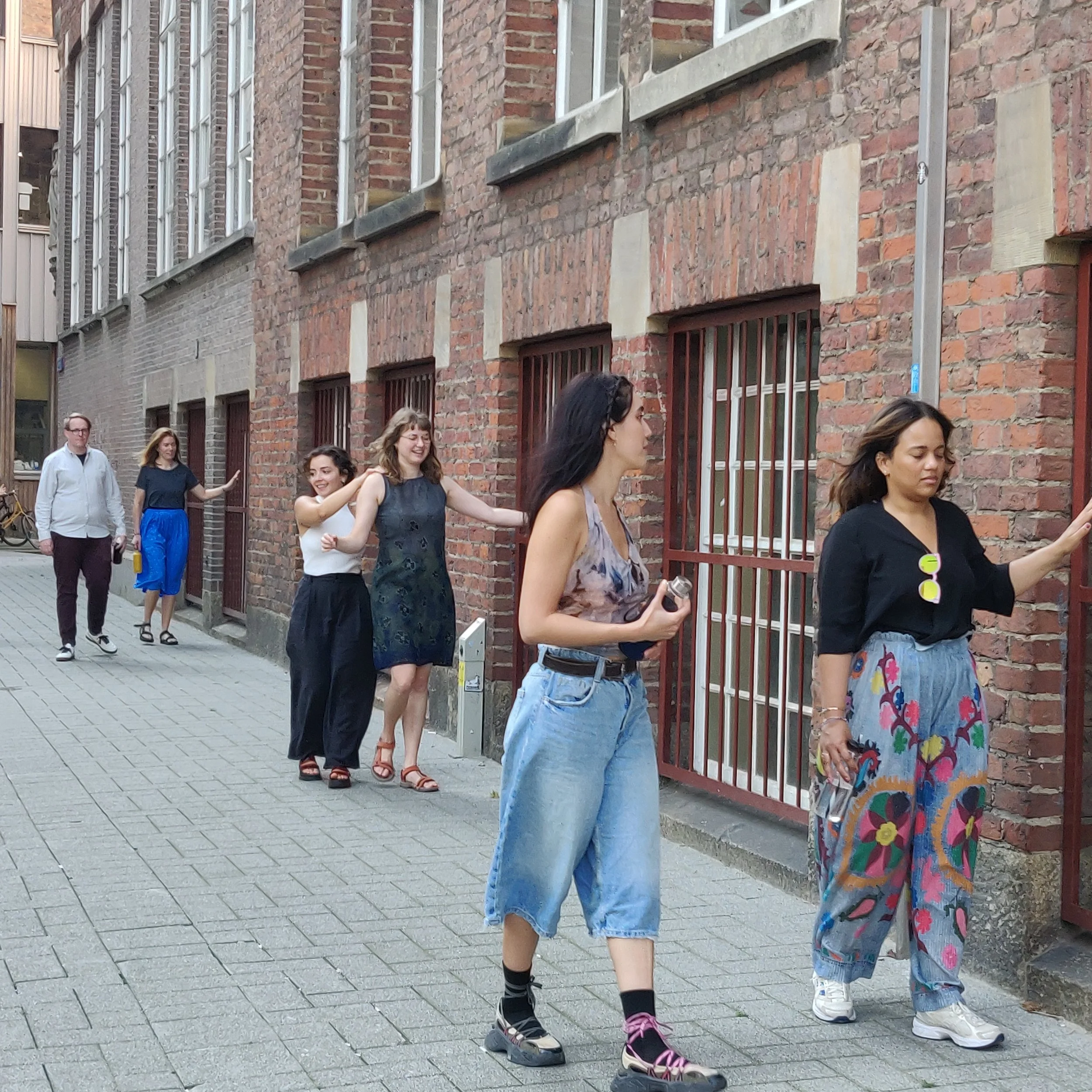
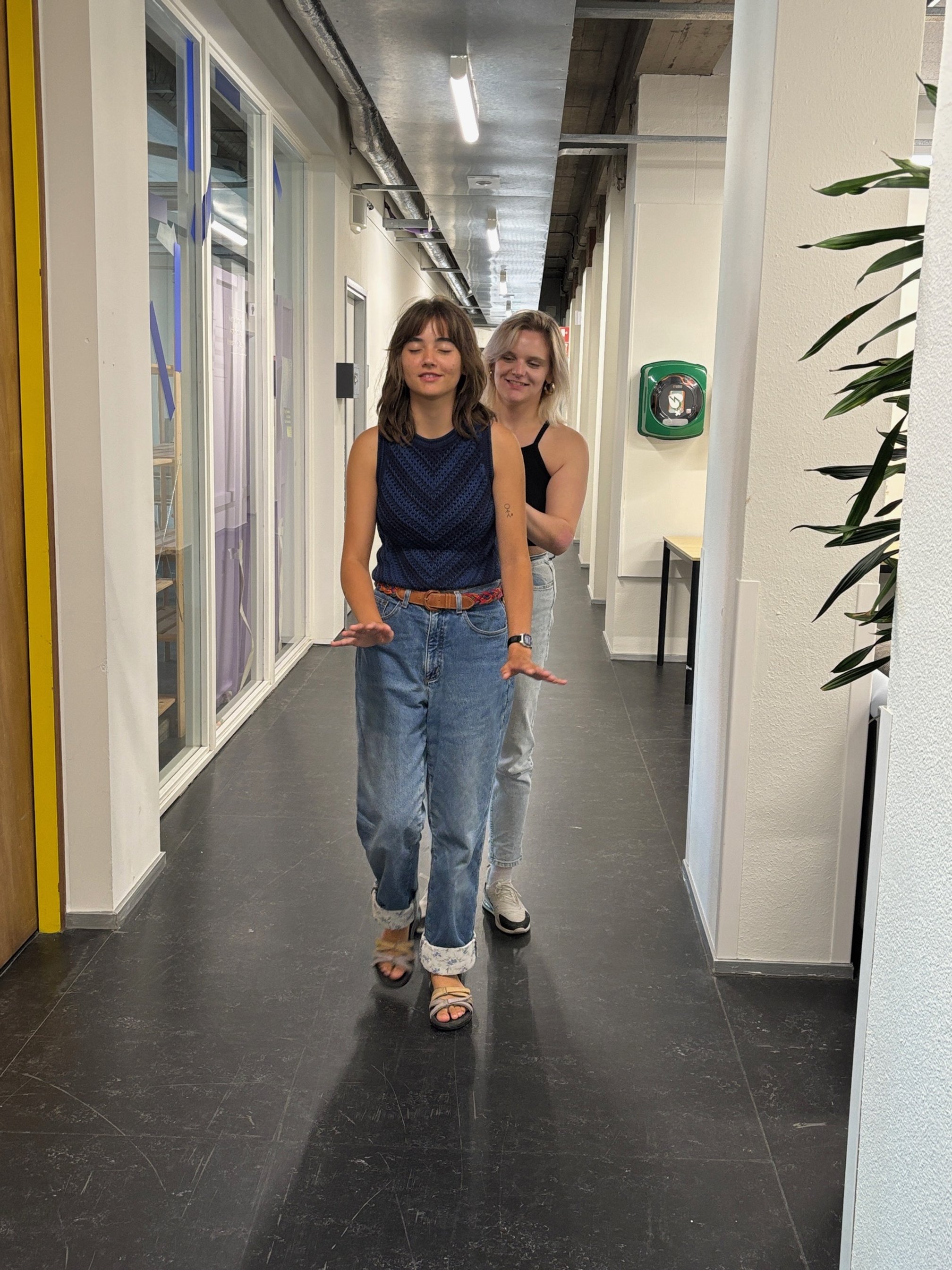
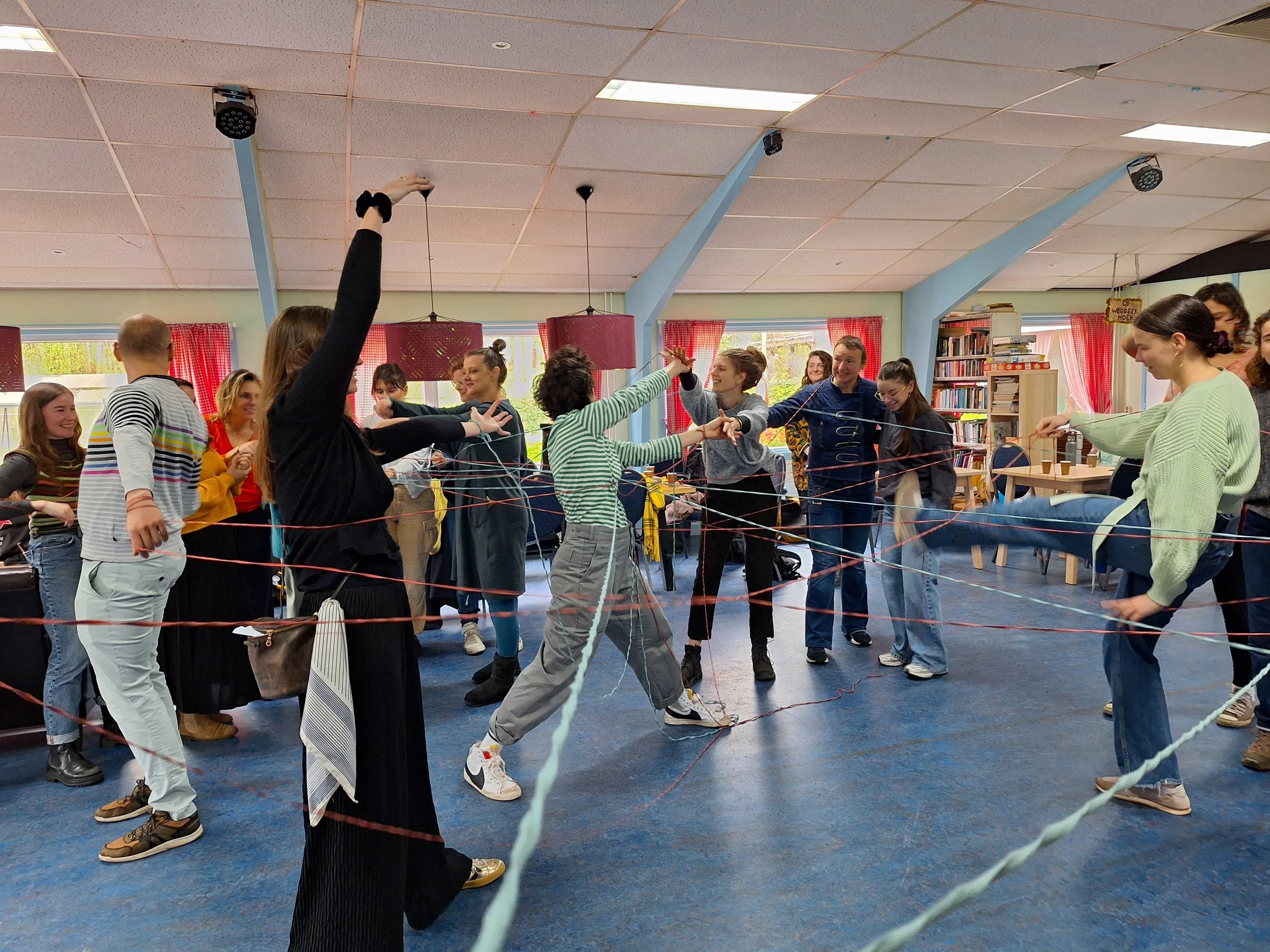
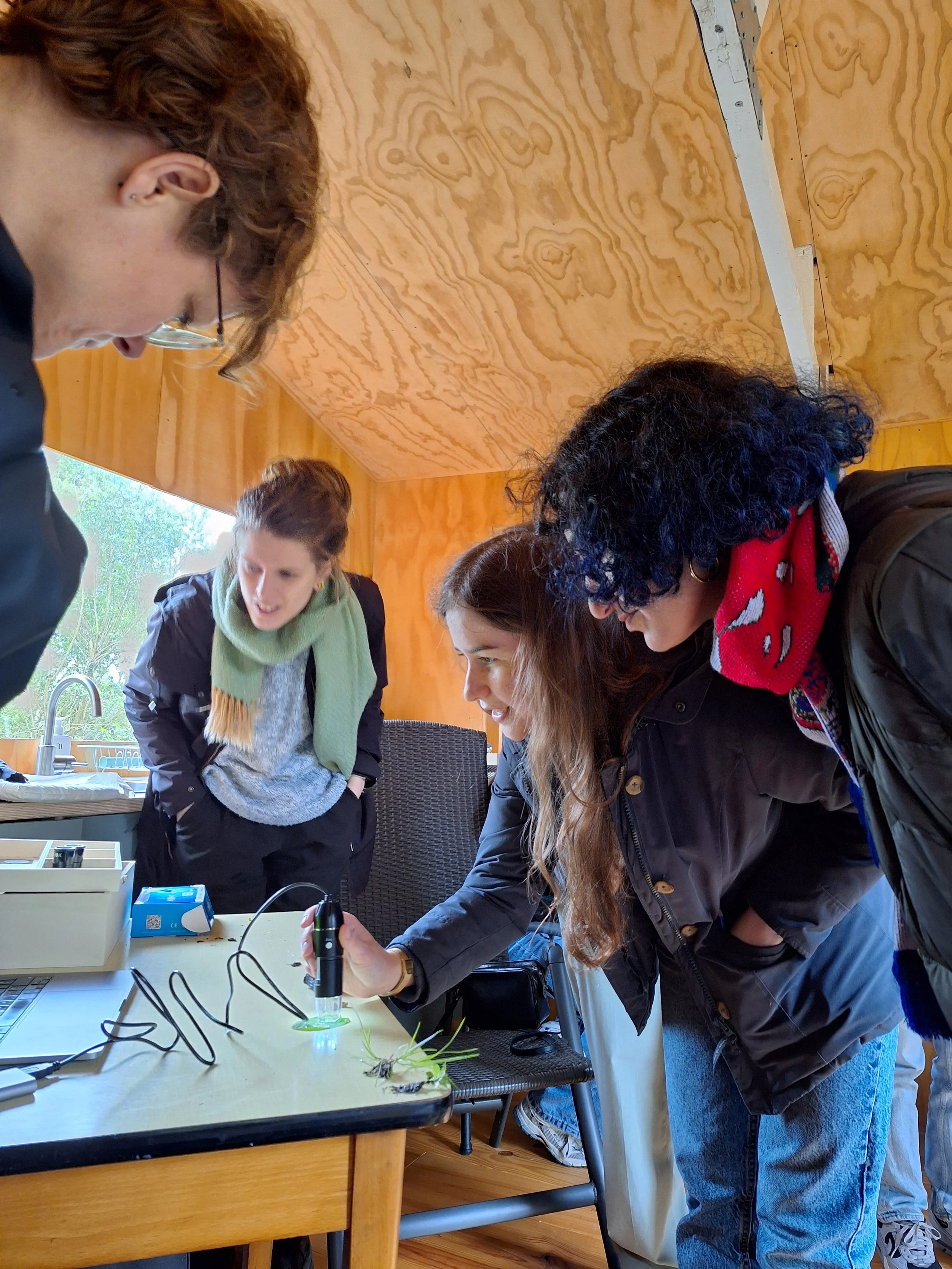
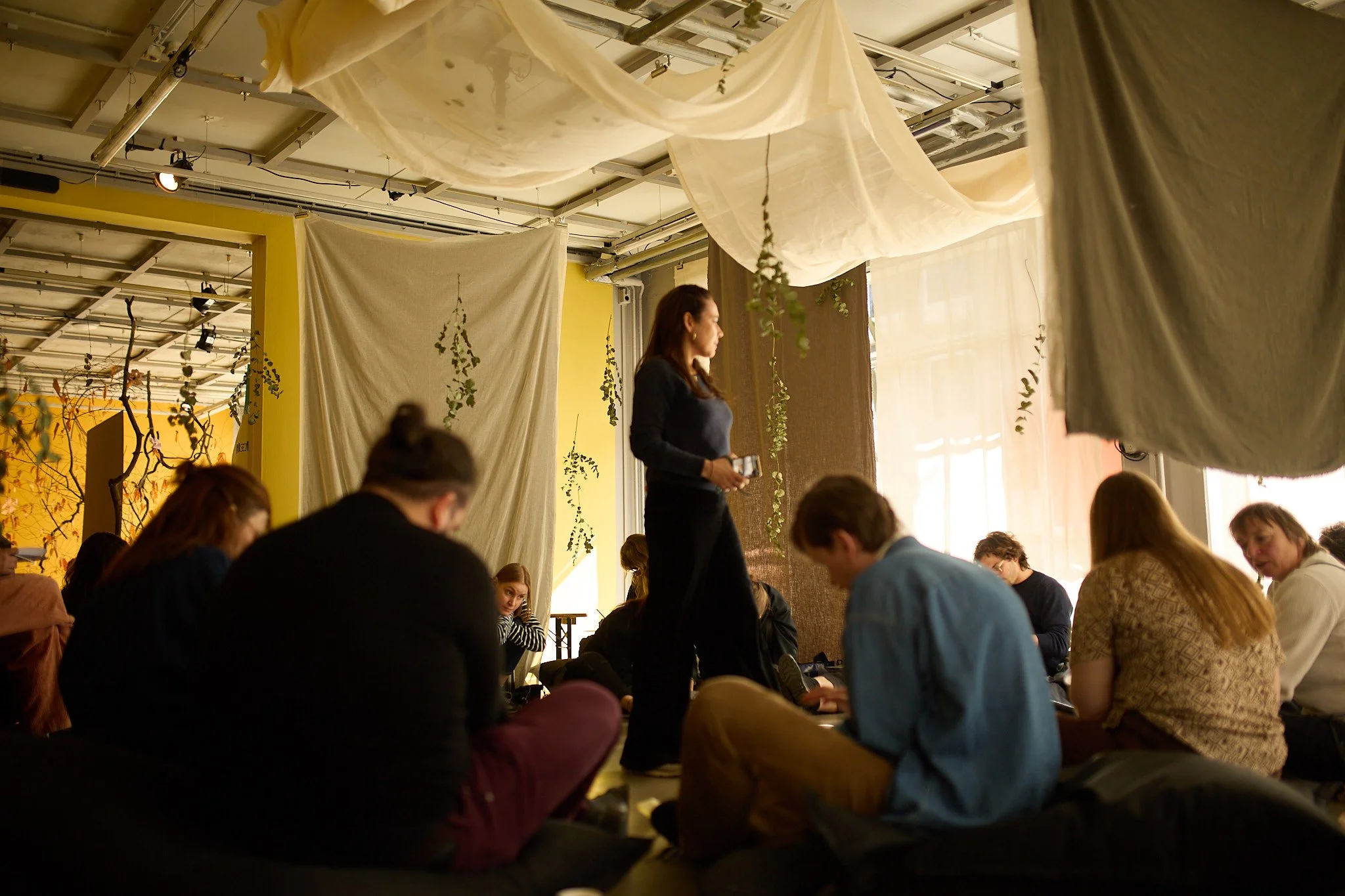
Within this approach, I have facilitated sessions in academic settings such as MEiA and the RASL minor Re-imagining Tomorrow Through Arts & Sciences, often as a way to mark the beginning of a shared learning trajectory and invite a more holistic mode of being together.