Spectatorship in Dance Performances and Museums
I use the term audiencing—borrowed from Tanzquartier Wien (tqw.at)—to describe how I approach being an audience: as a practice that can be learned and unlearned, as part of the artistic effort, and as something we do together. Audiencing is a verb: it names an active mode of presence within a temporary collectivity.
In these encounters, I cultivate playful and thought-provoking connections through somatic awareness and shared attention. My role as a host is an “ignorant” one, inspired by Rancière: I do not explain the artwork, but create conditions that support lived engagement with it. The invitation is to step into the role of an active public participant.
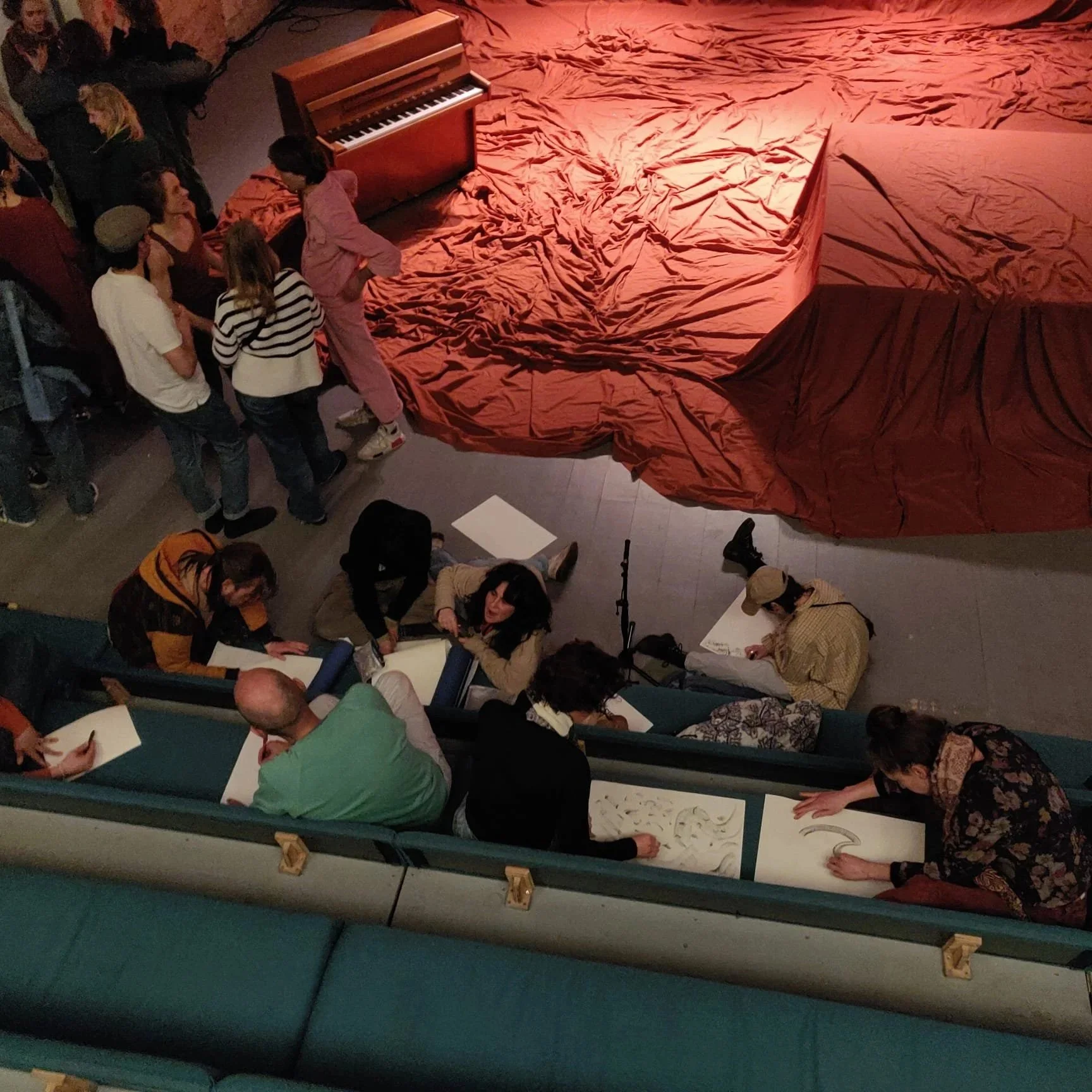
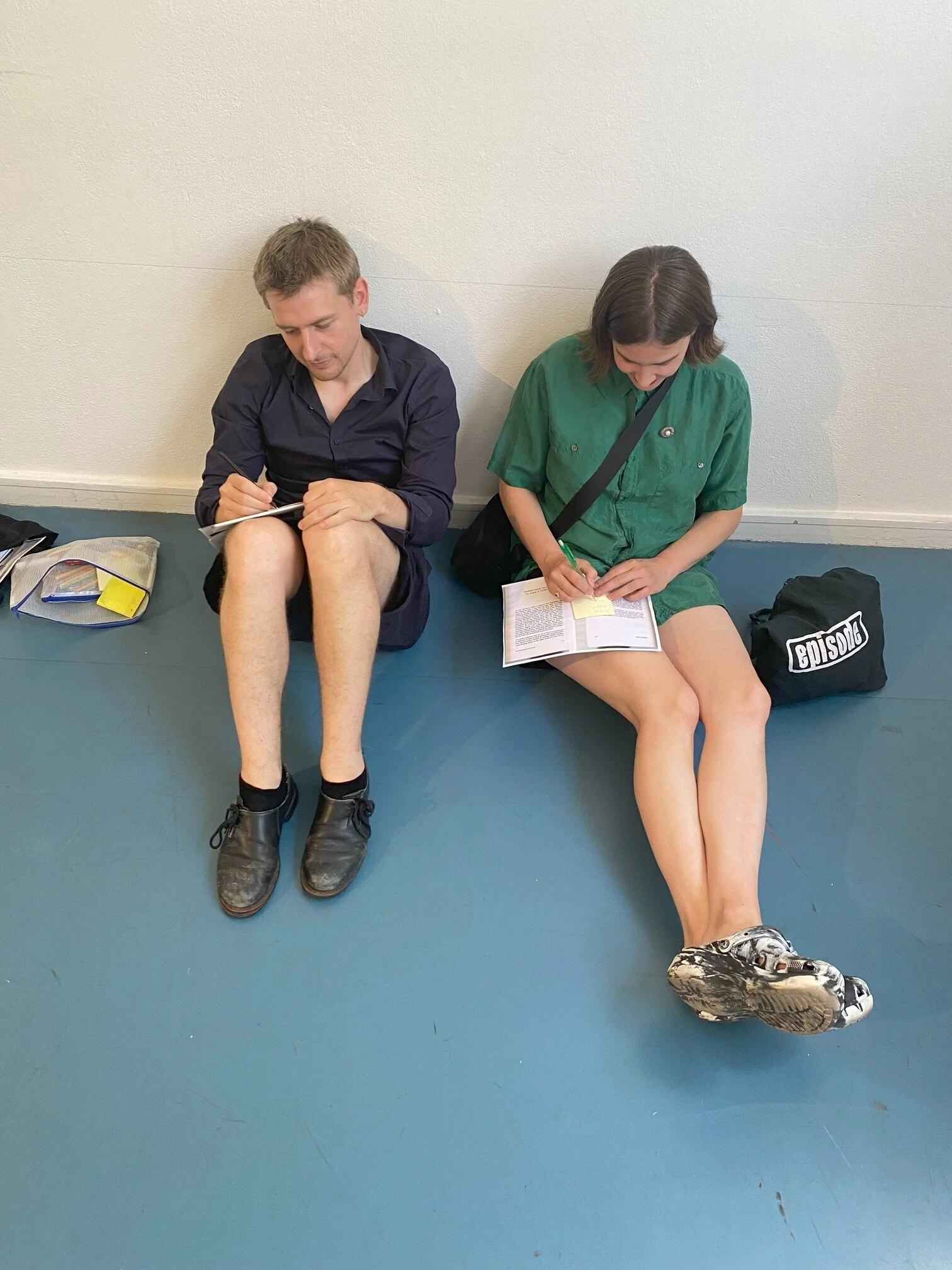
Each intervention unfolds in three parts: a warm-up inspired by qualities of the work we are about to encounter, tuning perception and the senses; a shared public experience—such as a performance or exhibition; and a reflective dialogue, using creative tools to suspend judgement and allow impressions to settle. These formats are open to everyone; any-body can join.
Working in a group creates a sense of complicity that allows participants to lean into the edges of comfort, welcome friction, and decide how they wish to show up together. Rather than exchanging information, we share subjective perspectives and sensibilities. We do not need to “get” what the artist intended. Sense-making may remain partial, yet it is already present. Translating experience—verbally, symbolically, or otherwise—allows participants to take ownership of what is alive, and that is what matters.
This approach intersects with education, mediation, programming, and contextual practices within art institutions. I collaborate with cultural organizations, festivals, museums, and academic contexts to develop situated formats for audiences and publics.
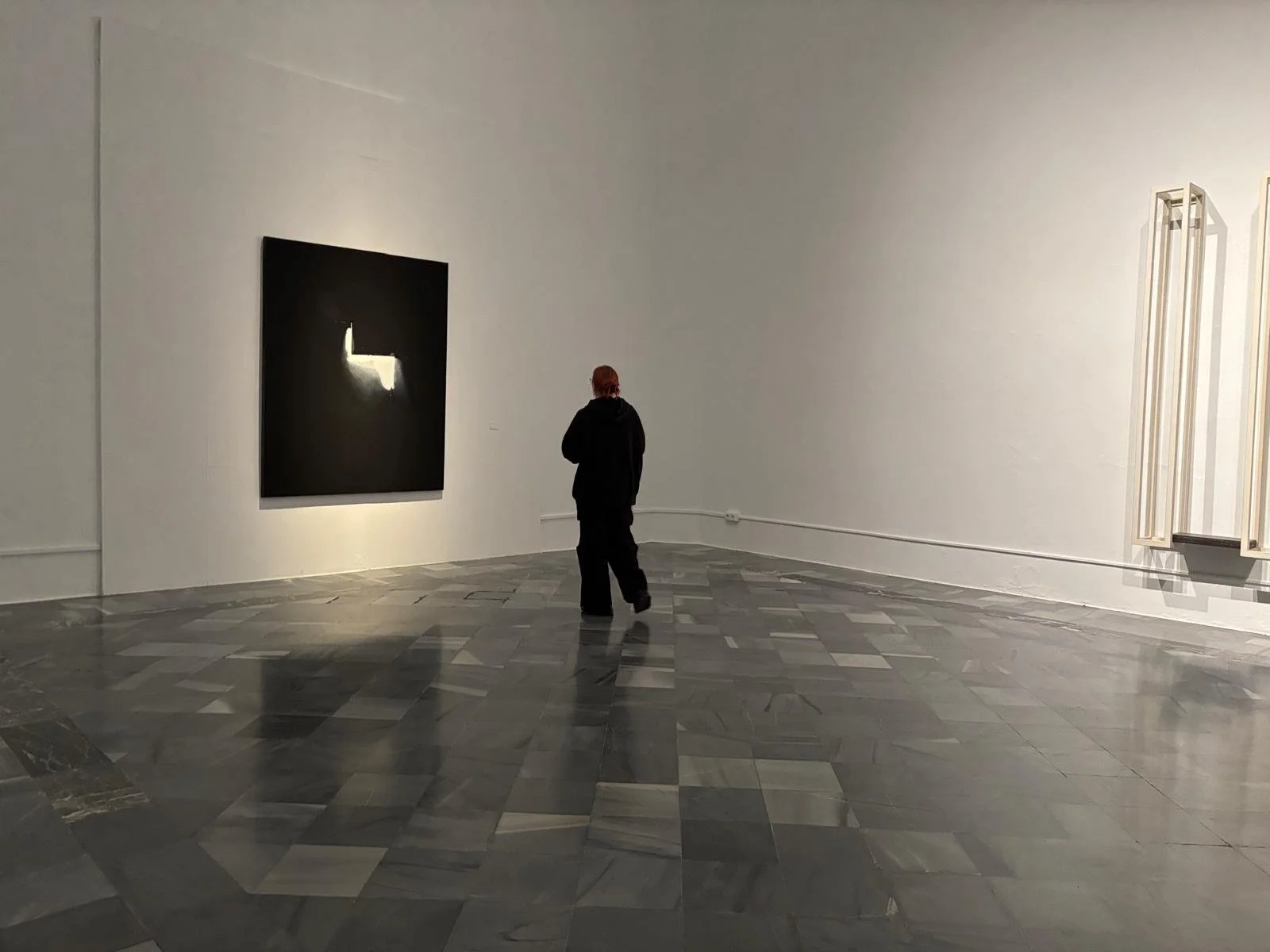
“For the last two years, I forced myself not to read everything in an exhibition just to get as much as I can from the art, from the situation. In big museums, sometimes the curatorial text is very much “This is The Interpretation” with capitals. We assume that everything has been chosen for us, that the curator has authority, and you are supposed to follow because it is written professionally. I think trust is given right away. But maybe they didn’t choose the best for you or the art? I think this kind of intervention is really good for questioning the situation that you are in a museum led by a very different point of view”
— extract from a research session at Kunsthal, Rotterdam, March 2023.